
You got the interview — now what?
How to prepare for your first job interview after college

You’ve made it through college, updated your resume, polished your cover letter, built your LinkedIn profile, and sent out applications — and now you’ve landed a job interview. That’s a big deal.
For many first-generation and low-income college graduates, this moment can feel both exciting and overwhelming. You might be thinking: What if I mess up? What if I don’t say the right thing? What if I don’t have enough experience?
Here’s the truth: you earned this interview, and you have more to offer than you realize.
At COOP Careers, we know the interview process can feel intimidating — especially if you’re navigating it for the first time without a professional network or mentors to coach you through it. So here’s a detailed guide on how to get ready, what to expect, and how to show up with confidence and clarity.
1. Do your homework
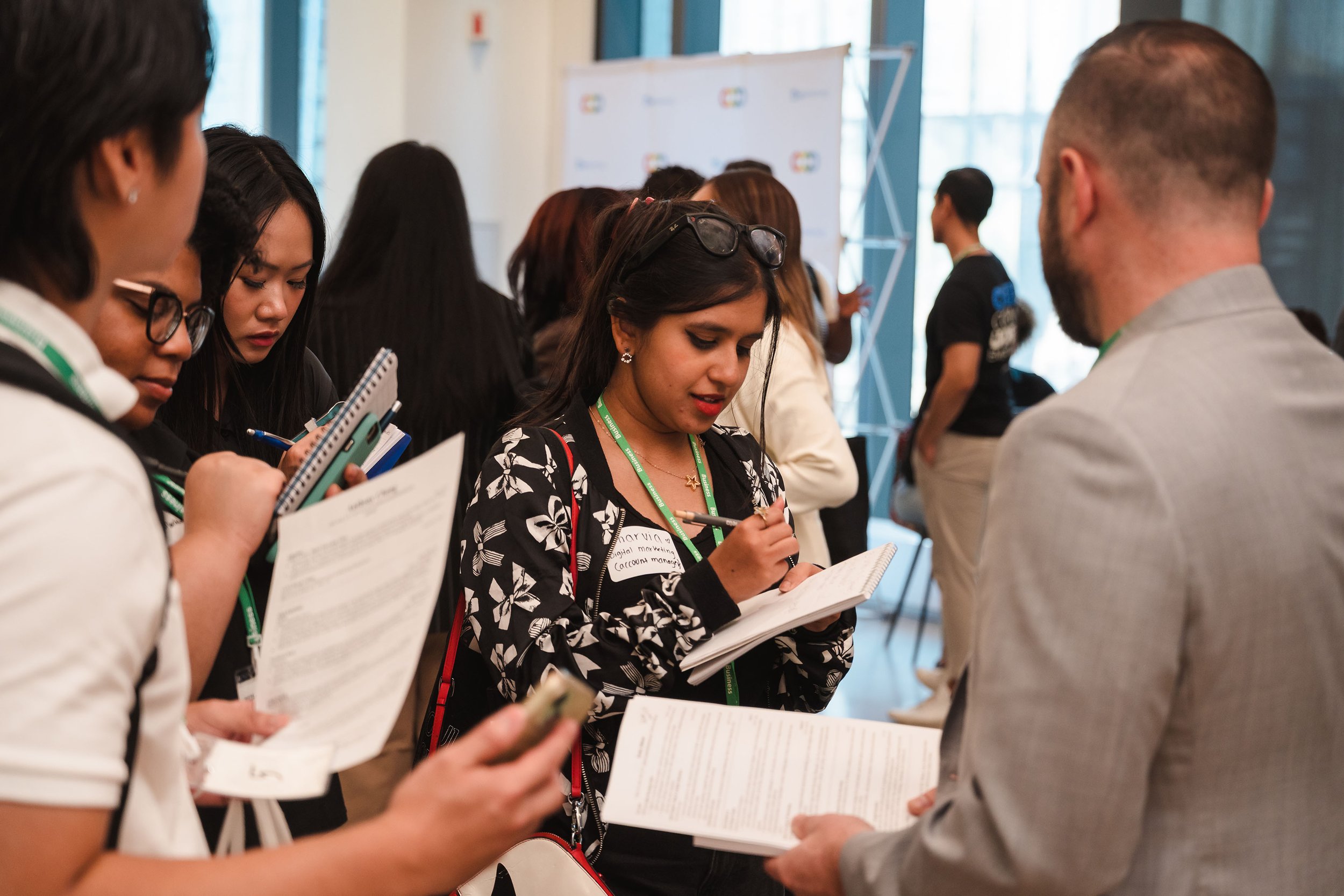
Before the interview, take time to learn as much as you can about the company and the role. This is one of the biggest confidence boosters because it helps you understand what they care about and how you fit into that picture.
Here’s what to research:
What does the company do? Who do they serve?
Understanding their mission helps you connect your own values and experiences.What does the job description ask for?
Look for keywords, required skills, and repeated themes. These are clues about what they truly value.Browse the company website, social media, and career pages.
Check for recent announcements, product launches, or changes — interviewers love when candidates reference recent news.Stalk (in a professional way!) your interviewers on LinkedIn.
This helps you understand their background and find common ground.
Tip: Prepare two to three thoughtful questions to ask at the end of your interview. Questions like:
“How does your team define success in this role?”
“What qualities help someone thrive at this company?”
“What does professional growth look like on your team?”
2. Know your story
Interviewers don’t expect perfection — they want authenticity. They’re trying to understand who you are, what motivates you, and how you approach challenges and opportunities. At COOP we teach the 3W’s. The 3W’s is our guide to help you share a quick, yet strong intro about yourself. This framework is meant to help tell your authentic story.

Practice telling your story in a way that feels natural:
Why did you choose your major — or choose to pivot away from it?
Your decisions, even the messy ones, tell a story about your interests and values.What experiences shaped you?
Think about coursework, part-time jobs, internships, community work, leadership roles, or personal challenges.Why this industry or role?
Employers want to know what excites you and what you hope to contribute.
Most importantly:
You are not “unqualified.”
Yes, you may not have years of corporate experience — but you do have resilience, lived experience, creativity, and potential. Those are strengths.
3. Practice common interview questions

Every interview is different, but some questions show up again and again. Practicing them helps you feel grounded when the real moment arrives.
“Tell me about yourself.”
This is your chance to give a brief, professional introduction — not your entire life story.
Example:
“I’m a recent graduate from [school name], where I studied [major]. I’ve always been drawn to [industry/interest], and through my coursework, part-time roles and through my COOP Careers Fellowship, I’ve built strong skills in [relevant skills]. I’m excited about this opportunity because it aligns with my interest in [company mission or role].”
“Why do you want to work here?”
Show you’ve actually researched the company.
Example:
“I’m really inspired by your commitment to [mission]. I appreciate how your team [specific program, initiative, or value], and I’d love to contribute to a company that values [skill/approach important to you].”
“Tell me about a time you faced a challenge.”
Use the STAR method — situation, task, action, result.
Example:
“In a group project, one teammate wasn’t contributing (situation). I organized a meeting to clarify expectations (task + action). After that, everyone was aligned, and we ended up earning one of the top grades in the class (result).”
“What are your strengths?”
Pick one or two strengths that connect directly to the role.
Example:
“One of my strengths is communication. Whether I’m writing or presenting, I enjoy making complex ideas accessible — which I know is important for this role.”
“What are your weaknesses?”
Choose something true, but coachable.
Example:
“I tend to be a perfectionist and sometimes spend too long refining details. I’m working on prioritizing the big picture and trusting my work earlier in the process.”
4. Practice out loud
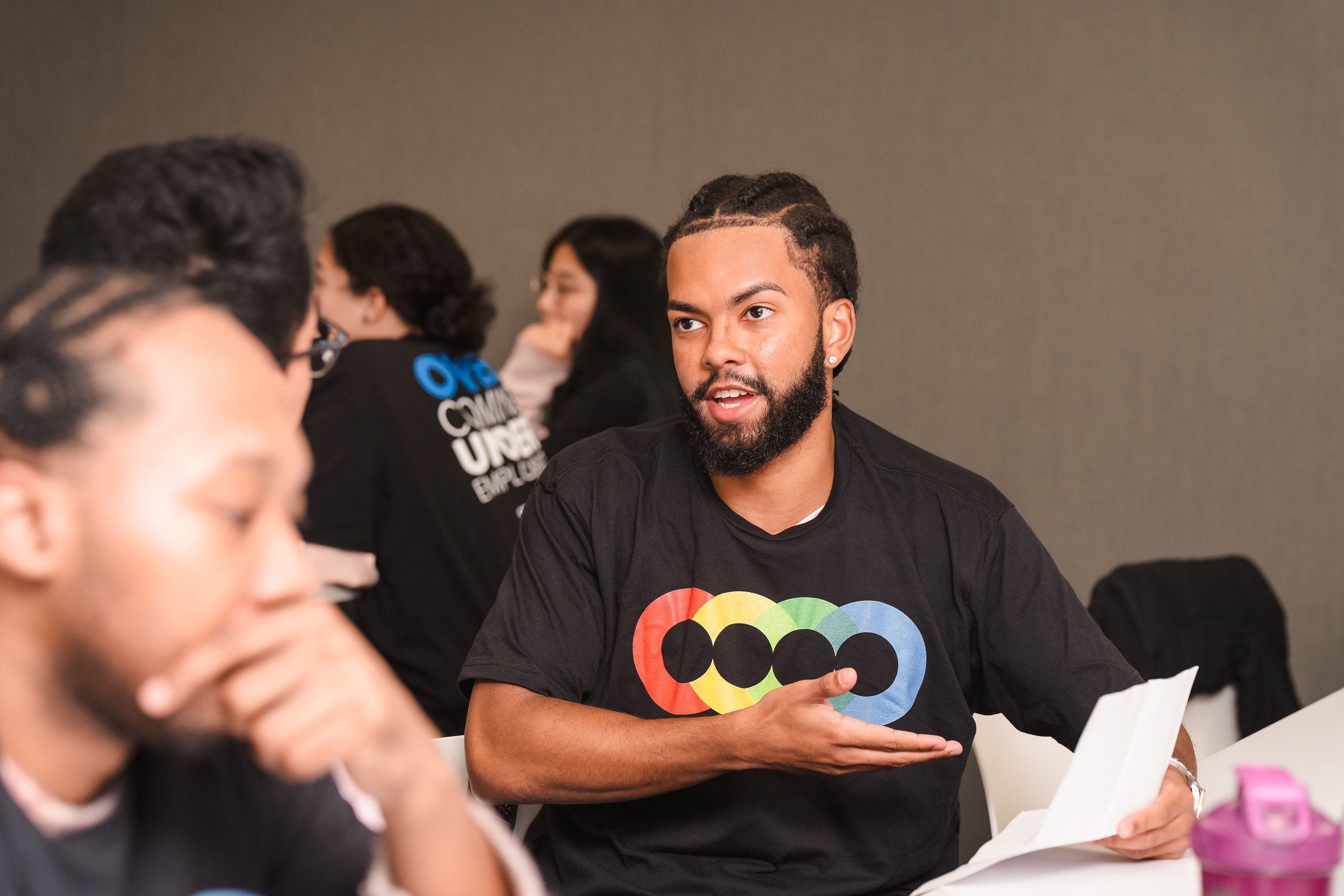
Reading answers in your head feels totally different from speaking them out loud. Practicing helps you learn how to sound natural, confident, and concise.
Try:
Practicing with a friend or roommate
Recording yourself on your phone
Joining COOP’s mock interviews led by alumni who’ve been exactly where you are
You don’t need to memorize your answers — just know your talking points.
5. Prepare your setup (for virtual interviews)
If your interview is on Zoom or another virtual platform, preparing your environment is key.
Check:
Wi-Fi, audio, camera
Good lighting — ideally in front of you
Quiet space — let people around you know you’ll be interviewing
Professional outfit — top to bottom (you never know if you’ll need to stand up!)
Having your resume and notes nearby is totally acceptable for virtual interviews — just don’t read off them word-for-word.
6. Follow up with a thank-you email
Within 24 hours, send a quick thank-you email. It doesn’t need to be long — just intentional.
Include:
Something specific you discussed
Reaffirmation of your excitement for the role
A quick thank you for their time
Thoughtful follow-ups leave a lasting impression.
You’ve got this
At COOP, we believe your story matters — and that includes how you show up in interviews. Whether you’re applying for your first internship or your first full-time job, preparation and community make all the difference.
If you're unsure where to start, COOP is here for you. In our 16-week, community-powered career accelerator, you’ll receive hands-on interview coaching, practice with real professionals, and the support of a cohort walking the same path.
Want help preparing for interviews? Applications are open for the COOP Careers Fellowship. Let’s get ready — together.
Fill out an interest form today to learn more about how the COOP Careers Fellowship can support you on your career path.
 Donate